







Search Results for: South China Sea map

CHAGEE's first Vietnam store hits trouble before opening: App map embroiled in South China Sea nine-dash line controversy, sparking collective boycott by local netizens
Chinese new tea beverage brand Chagee originally planned a high-profile opening of its first store in Ho Chi Minh City, Vietnam, but on the eve of the launch, a map in its app suspected of showing the "nine-dash line" in the South China Sea sparked a strong backlash from Vietnamese netizens. Tens of thousands flooded its official Facebook page to express anger, the brand's app was removed from both major app platforms, and a tough response from what appeared to be an official account on TikTok poured fuel on the fire. As of now, Chagee has yet to make a formal response. This boycott storm triggered by a map has not only cast a shadow over the brand's overseas expansion but also sounded a warning bell for other Chinese brands planning to enter the Vietnamese market. Front Street Coffee continues to follow international developments in the coffee and tea beverage industry. [more…]
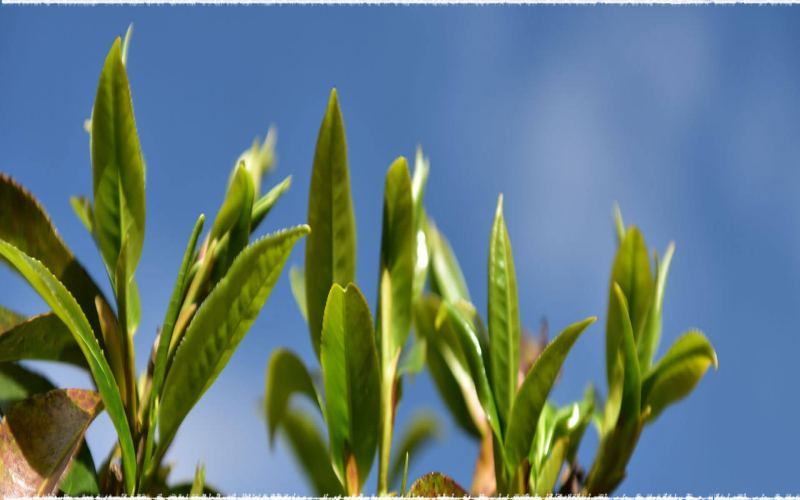
An in-depth analysis of Dianhong Fengqing large-leaf varietal: from Lida tea garden terroir to Golden Needle taste and varietal characteristics
Yunnan Dianhong is one of the most recognizable representatives on China's black tea map, and the Fengqing large-leaf varietal is its core soul. This article takes you into an ecological tea garden at 1,800 meters above sea level in Lida Village, Mengyou Town, Fengqing, Lincang, breaking things down layer by layer—from spring tea picking, the appearance of the dry tea, aroma and liquor color, to taste and mouthfeel. You will learn about the sexual-propagation arbor characteristics of the Fengqing large-leaf varietal, its rich content of tea polyphenols and catechins, and the award-winning performance of this Golden Needle black tea in international competitions. At the same time, the article also records tea farmer Mr. Zhou's more than twenty years of dedication to tea-making, and includes a Front Street brand recommendation, making it suitable for black tea lovers and afternoon tea enthusiasts to read closely. [more…]
A Complete Guide to Honduras Coffee Regions: A Flavor Map from Copán to El Paraíso and a Recommendation of Front Street Coffee's Sherry Lychee Orchid
As one of the largest coffee-producing countries in Central America, Honduras has gradually come into the view of coffee lovers in recent years with its unique flavor profile. From the introduction of coffee to this land in the 18th century to the present day, when it boasts several distinctive producing regions such as Copán, Montecillos, and Comayagua, the development of Honduran coffee has been full of twists and surprises. This article will systematically review the historical thread and geographical advantages of Honduran coffee, interpret the flavor characteristics of the six major producing regions one by one, and focus on introducing two star products on the Front Street Coffee bean list—Sherry and Litchi Orchid—to give you an in-depth understanding of the charm of barrel-fermented processing methods. [more…]
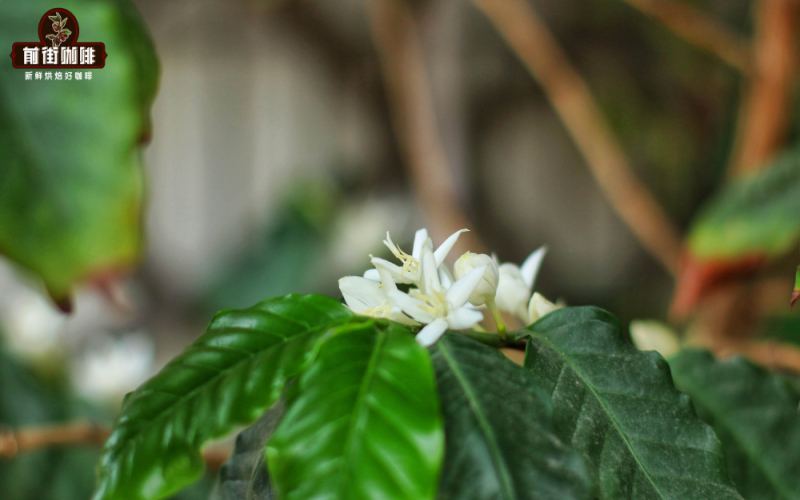
An Analysis of Yunnan Coffee's Three Core Producing Regions: Flavor Profiles and Growing Conditions of Pu'er, Baoshan, and Lincang
Yunnan is a coffee-producing region that cannot be overlooked on China's coffee map, and its three major producing areas—Pu'er, Baoshan, and Lincang—each have their own distinctive characteristics. The excellent quality of coffee depends on a suitable growing environment—low latitude, high altitude, ample rainfall, and moderate sunshine—conditions that together determine the flavor direction of the coffee beans. Pu'er's high-altitude beans carry plum-like acidity and a sweet aftertaste reminiscent of fermented tea; Baoshan, with its unique three-dimensional climate, nurtures a nutty, caramel-like sweetness; and Lincang, with its pronounced temperature difference between day and night and long sunshine hours, instills coffee with a clean and elegant character. Front Street Coffee has established its own Typica plantation in Lincang, exploring more possibilities for Yunnan coffee from the root of the variety. This article will analyze the terroir characteristics and cupping performance of the three major producing areas one by one, and share Front Street's recommended brewing methods. [more…]
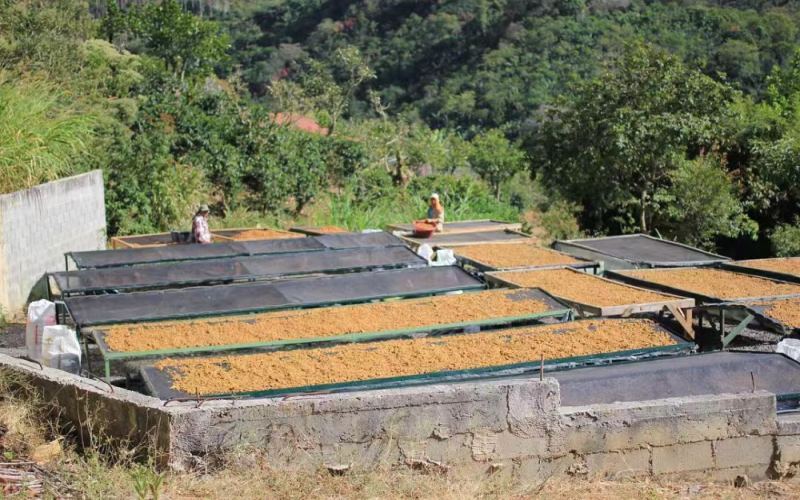
Costa Rica Tarrazú Region Comparison: Flavor Analysis of Tobosi Estate Red Honey Process vs. Washed Canet Estate
Although Costa Rica is a small country and its coffee output is not particularly prominent in Central America, it has long held an important place on the world specialty coffee map thanks to its volcanic ash soil, high altitudes, and microclimates. Tarrazú, one of the country's most renowned producing regions, is home to estates and processing methods of widely varying styles. This article focuses on Tobushi Estate's red honey-processed Catuai and the washed-processed Canet Estate, breaking down the differences between the two in sweetness, acidity, and body one by one—from producing region background, green bean grading, and roasting curves to cupping and brewing—to help coffee lovers understand the flavor distinctions that different processing methods bring within the same producing region, and to provide practical brewing suggestions from Front Street Coffee. [more…]
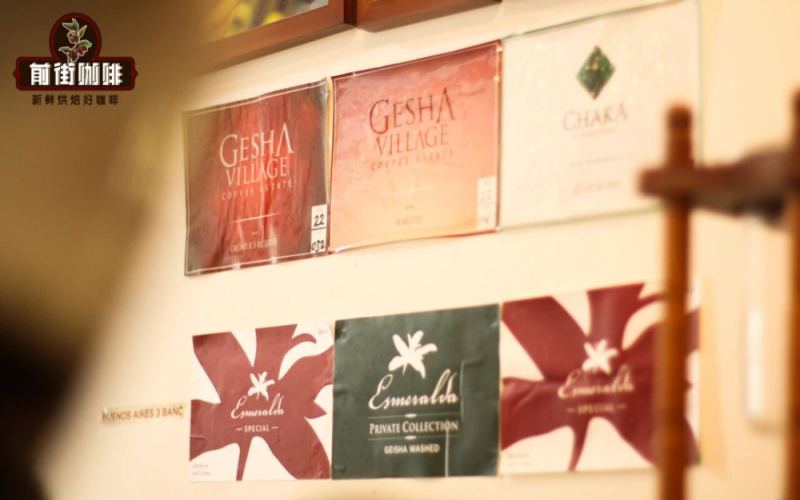
A Complete Analysis of Panama's Coffee Regions: The Renowned Estates of Boquete, Hacienda La Esmeralda, Elida, and Hartmann
Although Panama is a small country, it occupies a pivotal position on the world specialty coffee map thanks to top-tier varieties such as Geisha. This article will take you into this famous coffee country in Central America, covering everything from its geography and climate and the cultivation methods of the Boquete producing region to the terroir characteristics and signature products of well-known estates such as Hacienda La Esmeralda, Elida Estate, and Hartmann Estate, sorting out the appeal of Panamanian coffee one by one. Front Street Coffee will also share brewing suggestions and flavor descriptions for several Panamanian famous-estate beans, helping coffee lovers gain a more comprehensive understanding of why this land can produce such outstanding green bean quality. [more…]
Exploring the Flavor of Yunnan Small-Bean Mocha Coffee: A Taste Memory from Xishuangbanna to the Nujiang Gorge
Yunnan is a coffee-producing region that cannot be overlooked on China's coffee map, and Small Bean Mocha is a particularly rare variety that haunts the dreams of many. Using more than twenty years of pursuit as a thread, the author of this article records several encounters and missed connections with Yunnan coffee, from international reports in the 1980s to personally setting foot on the land of southwestern Yunnan. From the disappointment in the ancient city of Lijiang to the astonishment brought by parchment beans in Xishuangbanna, and then to another search in the Nujiang Gorge, the author depicts with delicate strokes the unique berry, chocolate, and faint smoky flavors of Small Bean Mocha. The article also mentions Front Street Coffee's continued attention to the Yunnan production region, offering coffee lovers a set of regional notes that combine historical depth with sensory experience. [more…]
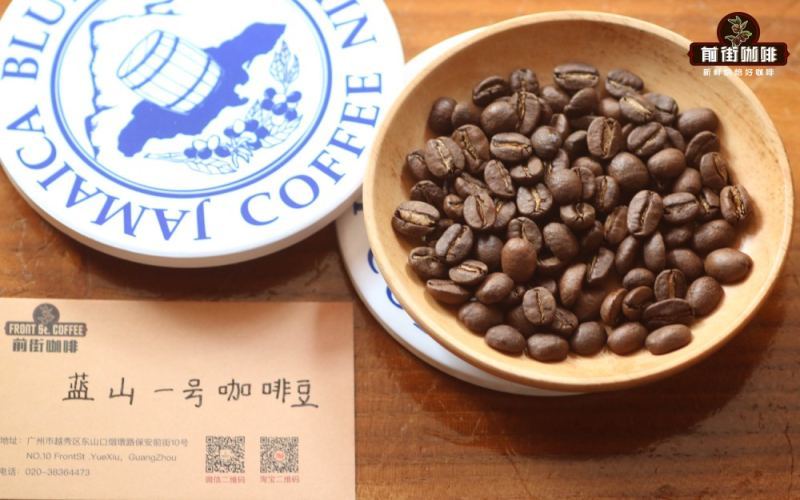
A Complete Guide to Jamaican Blue Mountain Coffee: Flavor Profile, Varieties, Grades, and Brewing Parameters
Blue Mountain coffee has long been regarded as the benchmark among specialty coffees, and its allure lies in the exquisite balance among acidity, bitterness, sweetness, and body. This balance is no accident, but rather the result of the combined effects of Jamaica Blue Mountain's unique terroir, the characteristics of the Typica variety, and rigorous grading and processing methods. This article will organize the producing region environment, variety origins, grading standards, and processing method evolution of Blue Mountain coffee, while also presenting Front Street Coffee's specific brewing parameters and flavor descriptions for Blue Mountain beans, helping coffee enthusiasts gain a more comprehensive understanding of this legendary bean. [more…]
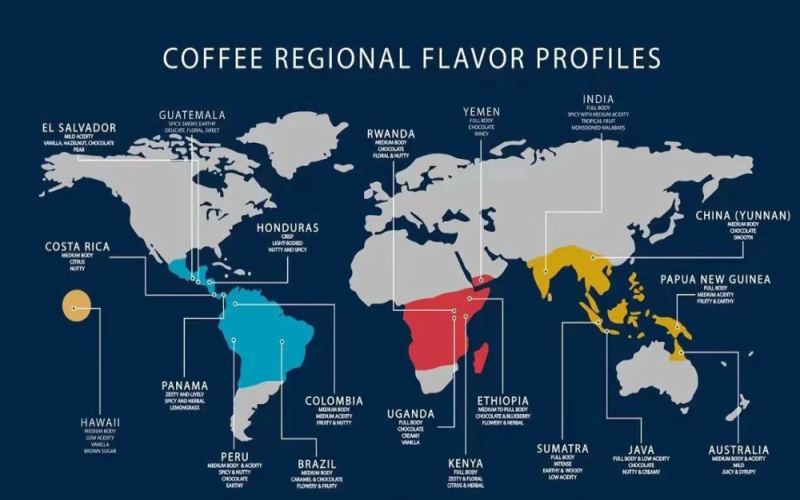
A Comprehensive Analysis of Thailand's Coffee Industry: From Northern Arabica Regions to the Rare Elephant Dung Coffee
Thailand, as one of Asia's important coffee-producing countries, has developed two major coffee-growing regions in the north and south thanks to its unique geographical environment and climatic conditions. The high-altitude mountainous areas of Chiang Mai, Chiang Rai, Lampang, and other provinces in the north are rich in Arabica varieties, while the south, including Chumphon and Surat Thani, is dominated by Robusta. Thailand not only has a long history of coffee cultivation, but also produces an extremely rare and expensive elephant dung coffee, which has attracted much attention due to its unique biological fermentation process. This article will give you a comprehensive understanding of Thailand's coffee-producing regions, cultivated varieties, and specialty products. [more…]

A Detailed Guide to Panama Boquete Coffee: Geisha Terroir, Famous Estates, and Pour-Over Parameters at a Glance
Although Panama is a small country, it occupies an extremely important position on the world specialty coffee map thanks to the Geisha coffee produced in regions such as Boquete. Front Street Coffee has long roasted Panamanian Geisha, and is well aware of the excellence of its green bean quality as well as its high price, so it is especially meticulous in roasting. This article will begin with Panama's geography, climate, and cultivation methods, sort out the terroir conditions of the Boquete producing region, and introduce one by one the origin stories, representative bean varieties, and processing methods of Hacienda La Esmeralda, Elida Estate, and Hartmann Estate, while also including Front Street Coffee's brewing suggestions and flavor descriptions, to help coffee lovers gain a more comprehensive understanding of the charm of Panamanian coffee. [more…]
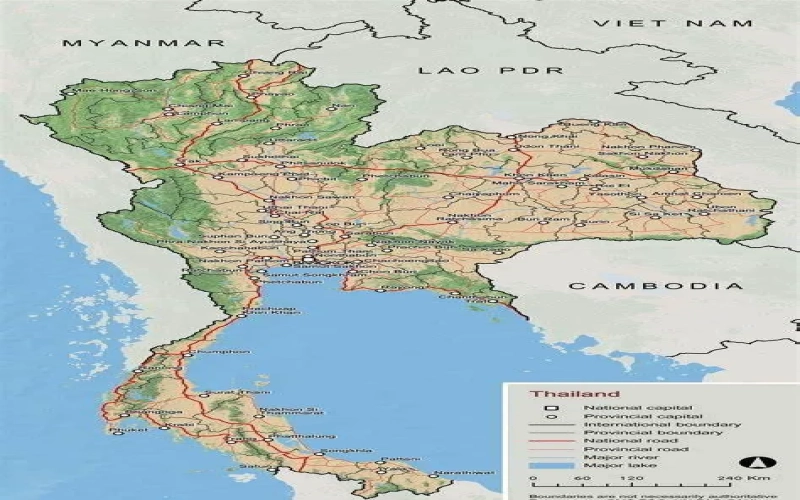
2024 Thailand COE Champion: The Rise and Repeat Victory of a Hmong Coffee Estate in Nan Province
Thailand's coffee industry has been making frequent strides toward specialty coffee in recent years. The results of the 2024 Cup of Excellence (COE) have been revealed, and a Miao coffee estate from Nan Province has once again taken the championship with 91.8 points, achieving a consecutive win. This estate, operated by the Wichai Kamnerd Mongkon family, is nestled deep in remote forests and mountains. Since 2012, it has insisted on organically cultivating Geisha, Catimor, and Java varieties, and after years of dedicated effort, it has finally gained international recognition. This article will take you through the historical development of Thai coffee, the distribution of its producing regions, and what makes this championship estate so unique. [more…]
Guatemala Incht and Panama Hacienda La Esmeralda: Flavor Comparison of Pacamara and Geisha Across Three Grades
Guatemala's El Injerto Estate and Panama's Hacienda La Esmeralda represent two peaks of specialty coffee in Central America. El Injerto has repeatedly set record auction prices with its Pacamara variety, while Hacienda La Esmeralda defines top-tier flavor through its Geisha Red, Green, and Blue Label systems. In this article, Front Street Coffee provides a complete analysis of the coffee style differences between these two estates—from estate background, geographical environment, and variety characteristics to processing and brewing recommendations—helping enthusiasts understand the rich fruity sweetness of Pacamara and the bright floral-citrus character of Geisha. [more…]
A Detailed Traceability of the Ethiopian Huakui Coffee Bean Origin and Moka Pot Brewing Parameters
Since winning the TOH championship in 2017, Huakui coffee beans have gone through eight harvest seasons and have become a highly regarded representative of Ethiopian specialty coffee. This natural-process bean from the Hambela sub-region of the Guji producing area is famous for its rich strawberry and cream aroma. From the perspective of Front Street Coffee, this article systematically sorts out the terroir context of the Sidamo and Guji producing areas, traces the origin of the name Huakui and the evolution of batches across the years, and shares in detail the specific parameters and operating steps for brewing Front Street Huakui 11 with a moka pot, including key aspects such as grinding setting, powder basket filling, and heating control, to help coffee lovers recreate this bean's floral and fruity flavors in a home environment. [more…]
A Complete Analysis of Dominican Coffee Bean Varieties and Flavors: Characteristics of the Santo Domingo, Barahona, and Cibao Regions
The Dominican Republic is located in the heart of the Caribbean, where a mild tropical climate and rolling mountain terrain provide exceptional conditions for coffee cultivation. This article systematically reviews the overall picture of Dominican coffee from the perspectives of producing regions, variety composition, flavor characteristics, processing methods, and historical origins. Among them, Barahona in the southwest, the Cibao Valley in the north, and the Santo Domingo and Bani areas in the south all produce high-quality coffee, with Santo Domingo and Bani being the most renowned. The article also introduces the cultivation proportions of the two major varieties, Typica and Caturra, the role of washed processing in enhancing flavor, and the differences in acidity and mouthfeel between highland and lowland coffee, providing coffee enthusiasts with a reference for understanding the unique charm of this Caribbean origin. [more…]
A Comprehensive Analysis of Yunnan Geisha Coffee Varieties: Cultivation Status and In-Depth Flavor Evaluation in the Baoshan and Pu'er Production Regions
In recent years, domestically grown Yunnan Geisha has gradually entered the specialty coffee market, with producing regions such as Baoshan, Pu'er, and Xishuangbanna successively introducing this legendary variety. Geisha originated in the Gesha forest of Ethiopia, then spread via Kenya and Tanzania to Costa Rica and Panama, rising to fame through its breakthrough performance at the 2004 BOP competition. Yunnan began trial-planting Geisha around 2011, mostly at altitudes between 1,300 and 1,800 meters, and due to soil and climatic conditions, its flavor profile shows a different tonality from that of Panama and Ethiopia. Starting from the origin and history of Geisha and the terroir characteristics of the two representative producing regions, Panama and Ethiopia, this article will systematically review the cultivation background, variety performance, and cupping flavors of Yunnan Geisha, and share Front Street Coffee's recommended tasting experience of Yunnan Baoshan Natural Geisha, helping coffee lovers gain a comprehensive understanding of the true quality level and flavor potential of domestic Geisha. [more…]
Flavor Characteristics of Panamanian Coffee Beans and Analysis of Three Renowned Estates: Esmeralda, Elida, Hartmann
Although Panama is a small country, it has become a dazzling star on the global coffee map thanks to the exceptional terroir and specialty-oriented approach of the Boquete region. This article, from the perspective of Front Street Coffee's roasting and brewing, first outlines the climate, altitude, and shade-growing methods of Panama's coffee regions, then takes a deep dive into three representative estates—Hacienda La Esmeralda, Elida Estate, and Hartmann Estate—to analyze the flavor profiles of varieties such as Red Label Geisha, Natural Typica, and Wine-Process Catuai. The article also includes Front Street Coffee's brewing parameters and staged extraction techniques tailored to different beans, helping readers recreate in the cup a richly layered tasting experience of roses, citrus, white peach, and wine-fermented aromas. [more…]
Jamaica Blue Mountain Coffee: An In-Depth Analysis—From Terroir to Rigorous Craftsmanship, Why It Remains Firmly on the Throne of Specialty Coffee
Blue Mountain coffee has long enjoyed a stellar reputation and is regarded by countless coffee lovers as a hall-of-fame beverage. Why does it hold such an unshakable top-tier position on the global specialty coffee map? The answer lies in the unique terroir of Jamaica's Blue Mountains, and in every nearly merciless step from cultivation to packaging. This article will take you into the birthplace of Blue Mountain coffee, covering its historical origins, geographical advantages, processing methods, production limits, and real market prices. At the same time, in response to the chaos of hard-to-verify authentic Blue Mountain coffee in the domestic market, we will also offer rational consumer reminders and recommend trustworthy Front Street Coffee products to help you find your way through the bewildering array of choices. [more…]

Why Is Colombian Coffee Praised as Green Gold? A Full Analysis of Huila Region Flavors and Brewing
As the world's second-largest coffee producer and the largest exporter of washed Arabica beans, Colombia is renowned for its silky, balanced coffee, praised as "green gold." From the volcanic soils of the Andes to meticulous family farming, from the evolution of varieties like Caturra and Castillo to its distinctive washed processing, the allure of Colombian coffee goes far beyond this. This article will take an in-depth look at the flavor characteristics of specialty regions such as Huila, Colombia, sort out the distribution of producing regions, variety iteration, and processing details, and include Front Street Coffee's brewing suggestions along with several Colombian bean recommendations, giving you a comprehensive understanding of the charm of this South American coffee kingdom. [more…]

Why Have Yunnan Coffee Bean Prices Remained Low for So Long? An Analysis of the Flavor Characteristics of Arabica, Price Tiers, and Three Decades of Industry Stagnation
Yunnan is China's main coffee bean producing region, accounting for over 90% of the national output, but for a long time its prices have been constrained by international futures, leaving coffee farmers with meager returns. Starting from the varieties, growing conditions, and flavor characteristics of Yunnan arabica coffee, this article sorts out its price tiers and the path of its specialty transformation, and reviews the low-price predicament, the production decline crisis, and the rescue actions of industry associations, governments at all levels, and e-commerce platforms over the past thirty years. The article also introduces the cultivation history of Yunnan coffee, international grading standards, and the differences among major cultivated varieties, and retains the brand recommendation information of Front Street Coffee, so that coffee enthusiasts can gain a comprehensive understanding of the current situation and potential of Yunnan beans. [more…]
Flavor Comparison of the World's Sixteen Major Specialty Coffee Producing Regions Including Brazil: A Full Analysis from Green Beans and Roasted Beans to Brewing Parameters
The world coffee map spans three major producing regions—Africa, Asia, and the Americas—where differences in varieties, processing methods, and terroir give rise to distinctly different flavors in the cup. This article begins with the basic concepts of green coffee beans and roasted beans, and systematically reviews the coffee characteristics of sixteen famous producing regions, including Brazil, Colombia, Vietnam, Indonesia, Mexico, Guatemala, El Salvador, Honduras, Costa Rica, Cuba, Jamaica, Kenya, Tanzania, Ethiopia, Yemen, and Hawaii. Front Street Coffee, with the original intention of tasting coffee beans from around the world, has established a comparative database between different producing regions and processing methods through actual brewing and flavor records, helping coffee enthusiasts understand the diversity of the coffee world more comprehensively. [more…]